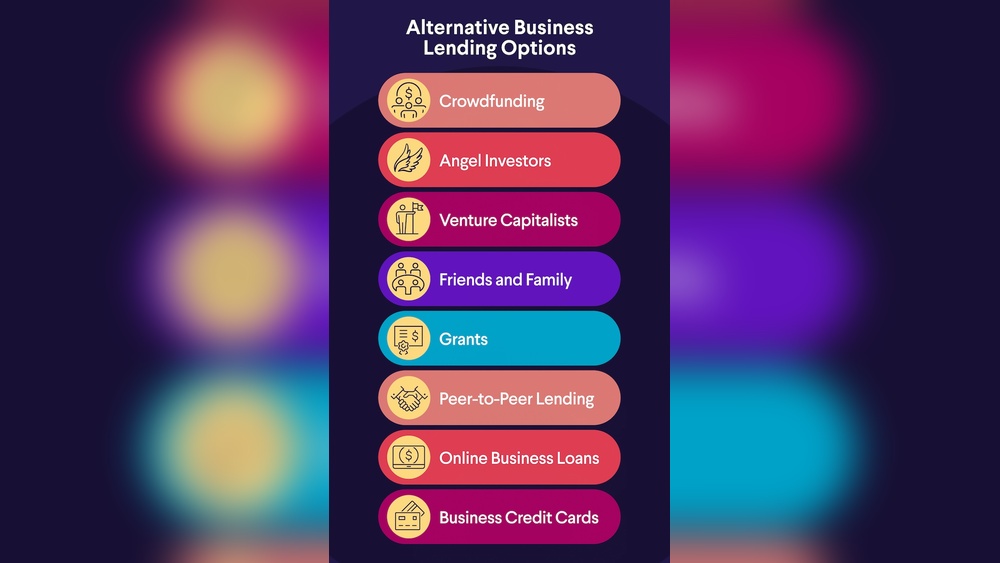







Are you struggling to secure a loan because traditional banks keep saying no? You’re not alone, and the good news is there are other options designed just for you.
Alternative credit lender programs offer a fresh path to funding when your credit score or financial history doesn’t fit the usual mold. These programs can open doors to personal loans, business financing, and more—often with faster approvals and more flexible requirements.
If you want to learn how alternative lenders can help you get the money you need, keep reading. This guide will break down what these programs are, who they’re for, and how to find the best fit for your unique situation. Your financial solution could be closer than you think.
What Alternative Credit Lenders Offer
Alternative credit lenders offer financing options outside traditional banks. These lenders use different methods to check creditworthiness, like rental history or utility payments. This helps borrowers with low or no credit scores.
Types of alternative financing include online loans, invoice factoring, and merchant cash advances. These options often have faster approval times and less strict requirements than banks.
Who can benefit are small business owners, startups, and people with poor credit. These lenders help those who might not qualify for standard loans.
Common loan products offered are short-term loans, lines of credit, and equipment financing. Terms and interest rates vary but usually reflect higher risk to the lender.
How Alternative Lending Works
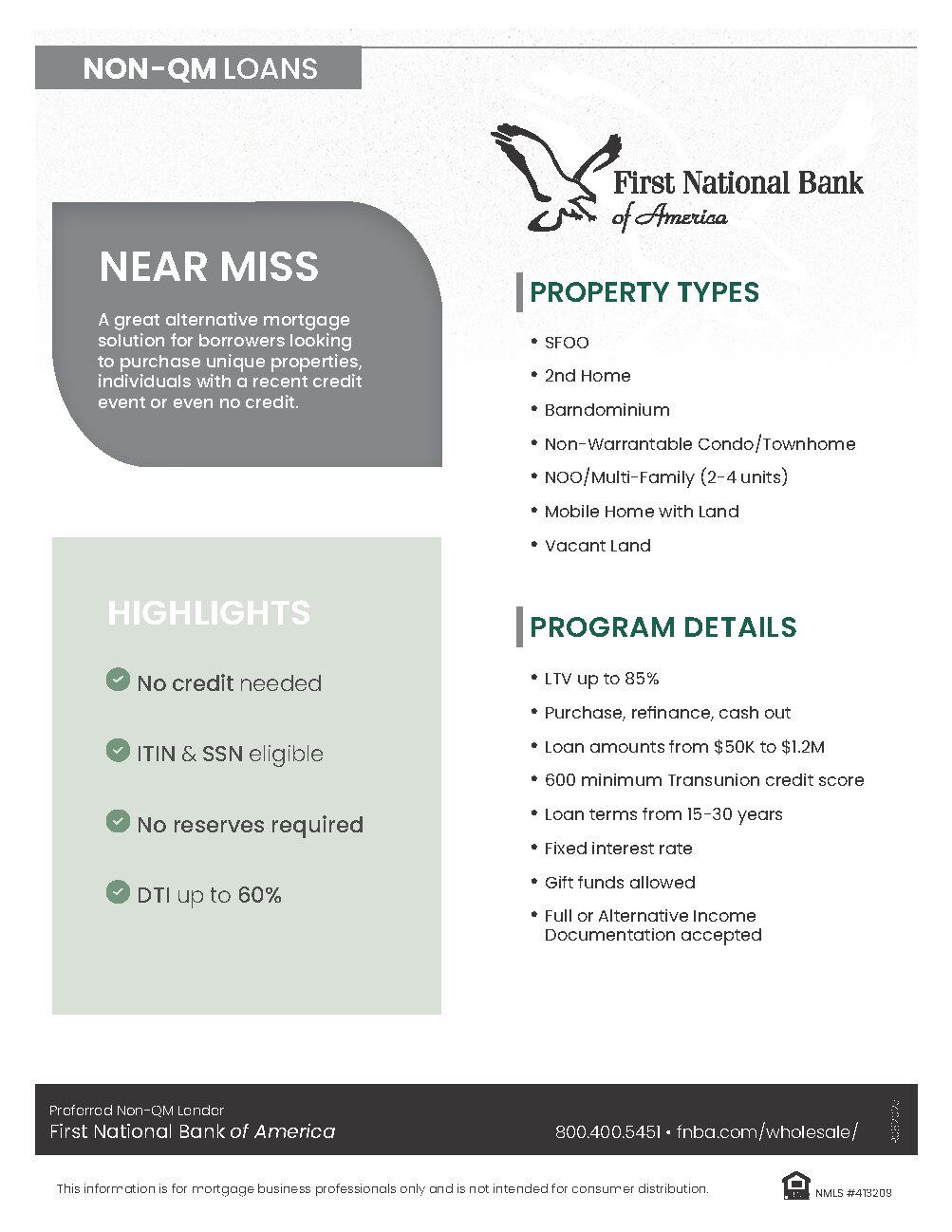
Alternative lending platforms use advanced technology to connect borrowers and lenders online. This makes the process faster and easier than traditional banks. These platforms often use data and algorithms to assess creditworthiness, which helps people without perfect credit scores get loans.
The application and approval process is mostly digital. Borrowers fill out forms online and submit documents quickly. Many platforms offer instant or same-day decisions, reducing waiting times significantly.
Funding speed is one big advantage. Some loans can be funded within 24 to 48 hours. Flexibility is another key feature; borrowers can choose loan amounts and repayment plans that suit their needs better than traditional loans.
Programs For Small Businesses
Online loans offer quick access to cash with simple applications. They usually have fast approval times and flexible terms. Merchant cash advances provide funds based on future sales. Payments adjust with daily credit card receipts, helping manage cash flow easily.
Invoice factoring lets businesses sell unpaid invoices to get money fast. This improves cash flow without waiting for customers to pay. It is ideal for companies with many outstanding invoices.
Short-term funding options provide cash for urgent needs. These loans have short repayment periods and can help cover unexpected expenses. They often require less paperwork than traditional loans.
Programs For Individuals
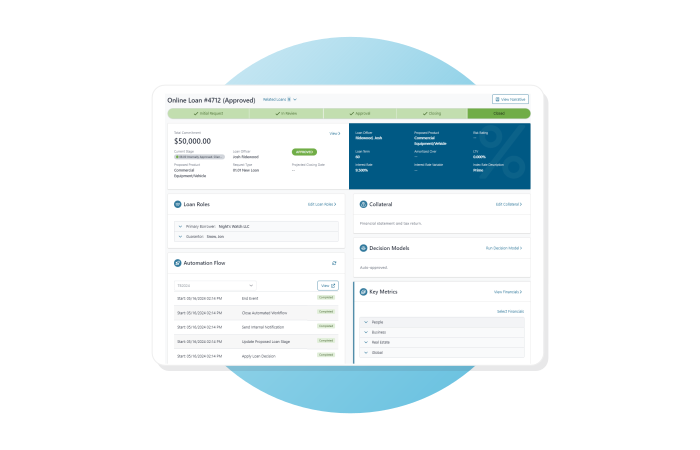
Loans for low credit scores offer chances to borrow money despite past credit issues. These loans often have higher interest rates and shorter terms. Lenders may require proof of income or collateral to reduce risk. Some programs focus on building credit with timely payments.
Using asset-based finance means borrowing against valuable items like cars or equipment. This method can be faster and easier than traditional loans. It suits people with low credit scores but valuable assets. The lender holds the asset until the loan is repaid.
Home purchase alternatives include rent-to-own or seller financing. These options help buyers with weak credit or no down payment. They offer a path to homeownership without strict bank requirements. Terms vary and depend on the seller’s rules.
Benefits Of Alternative Credit
Alternative credit lenders offer loans when banks refuse. They accept different types of credit history, not just traditional scores. This helps many people get funds despite past problems. Their qualification rules are more flexible, allowing more borrowers to qualify quickly.
Funds from alternative lenders arrive faster than bank loans. This speed can help in emergencies or business needs. Borrowers can use the money for many purposes without long waits or strict paperwork.

Risks And Considerations
Higher interest rates are common with alternative credit lenders. These rates can be much more expensive than traditional bank loans. It is important to compare rates before deciding.
Repayment terms may be shorter and less flexible. Borrowers might face strict deadlines and penalties for late payments. Understanding these terms helps avoid surprises and extra costs.
Evaluating lender credibility is crucial. Some lenders may have hidden fees or unclear policies. Checking reviews, licenses, and customer feedback can protect from scams and poor service.
Choosing The Right Program
Assessing your financing needs helps find the best program for you. Think about how much money you need and how fast you need it. Check if you want a short-term or long-term loan. Knowing this saves time and effort.
Comparing lender offers is key. Look at interest rates, loan amounts, and repayment terms. Some lenders have faster approval but higher costs. Others offer lower rates but need more paperwork. List the pros and cons of each offer.
| Fee or Condition | What to Check |
|---|---|
| Interest Rate | Is it fixed or variable? How much per year? |
| Processing Fees | Are there any upfront or hidden fees? |
| Prepayment Penalties | Can you pay off early without extra cost? |
| Late Payment Charges | How much do late payments cost? |
Future Trends In Alternative Lending
Private credit is growing fast as more investors seek new opportunities. It offers loans without relying on banks, helping businesses and individuals who may not qualify for traditional loans. This growth creates more options for borrowers and lenders alike.
Technology plays a big role in changing alternative lending. Online platforms make borrowing easier and faster. They use data and algorithms to decide who gets a loan. This reduces paperwork and speeds up approvals.
Access to credit is expanding for many people. Alternative lenders often serve borrowers with low credit scores or no credit history. This helps more people get funds for homes, businesses, or emergencies. The lending market is becoming more inclusive and flexible.
Frequently Asked Questions
Who Gives Loans When No One Else Will?
Alternative lenders, private lenders, and credit unions often provide loans when traditional banks reject applicants. They use flexible criteria.
Who Are Alternative Lenders?
Alternative lenders provide loans outside traditional banks, using flexible criteria and technology to serve businesses and individuals with limited access.
Can You Buy A House With Sbloc?
You can buy a house with an SBLOC if the lender accepts it as collateral. SBLOCs use your investment portfolio as security, offering flexible funding. Not all sellers or lenders accept SBLOCs, so confirm approval before proceeding with your home purchase.
How To Get A 700 Credit Score In 30 Days Fast?
Pay bills on time, reduce credit card balances below 30%, avoid new credit inquiries, and check your credit report for errors.
Conclusion
Alternative credit lender programs offer flexible options for many borrowers. They help people who struggle with traditional loans. These programs often approve loans faster and with fewer requirements. Many small businesses use them to manage cash flow or grow. Choosing the right program depends on your needs and situation.
Always compare terms before deciding. Alternative lending can provide valuable support when banks say no. Keep learning about your options to make smart choices.
Read More
- Online Home Lending Quotes: Unlock the Best Rates Today
- Credit Based Lending Offers: Unlock Smart Financing Solutions Today
- Same Day Lender Matching: Fast, Reliable Loan Connections Today
- Mortgage Lender Approval Checklist: Essential Steps for Success
- Asset Based Lending Rates: Unlock Competitive Financing Today
- Specialist Home Lender Options: Unlock Exclusive Mortgage Benefits
- Private Lending Eligibility Check: Unlock Your Loan Potential Today
- Soft Inquiry Lender Precheck: Boost Approval with Smart Checks
- Business Credit Lender Matching: Find Your Perfect Funding Partner Fast
- Franchise Loan Lender Options: Top Choices for Fast Funding