





Are you looking for a smart way to unlock cash using your business assets? Understanding asset based lending rates could be your key to getting the financing you need without the hassle of traditional loans.
These rates directly impact how much you’ll pay to borrow against assets like inventory, receivables, or equipment. But what exactly influences these rates, and how can you find the best deal that fits your situation? You’ll discover clear insights into asset based lending rates, what drives them, and practical tips to secure the lowest costs.
Keep reading to take control of your borrowing and make your assets work harder for you.
Asset-based Lending Basics
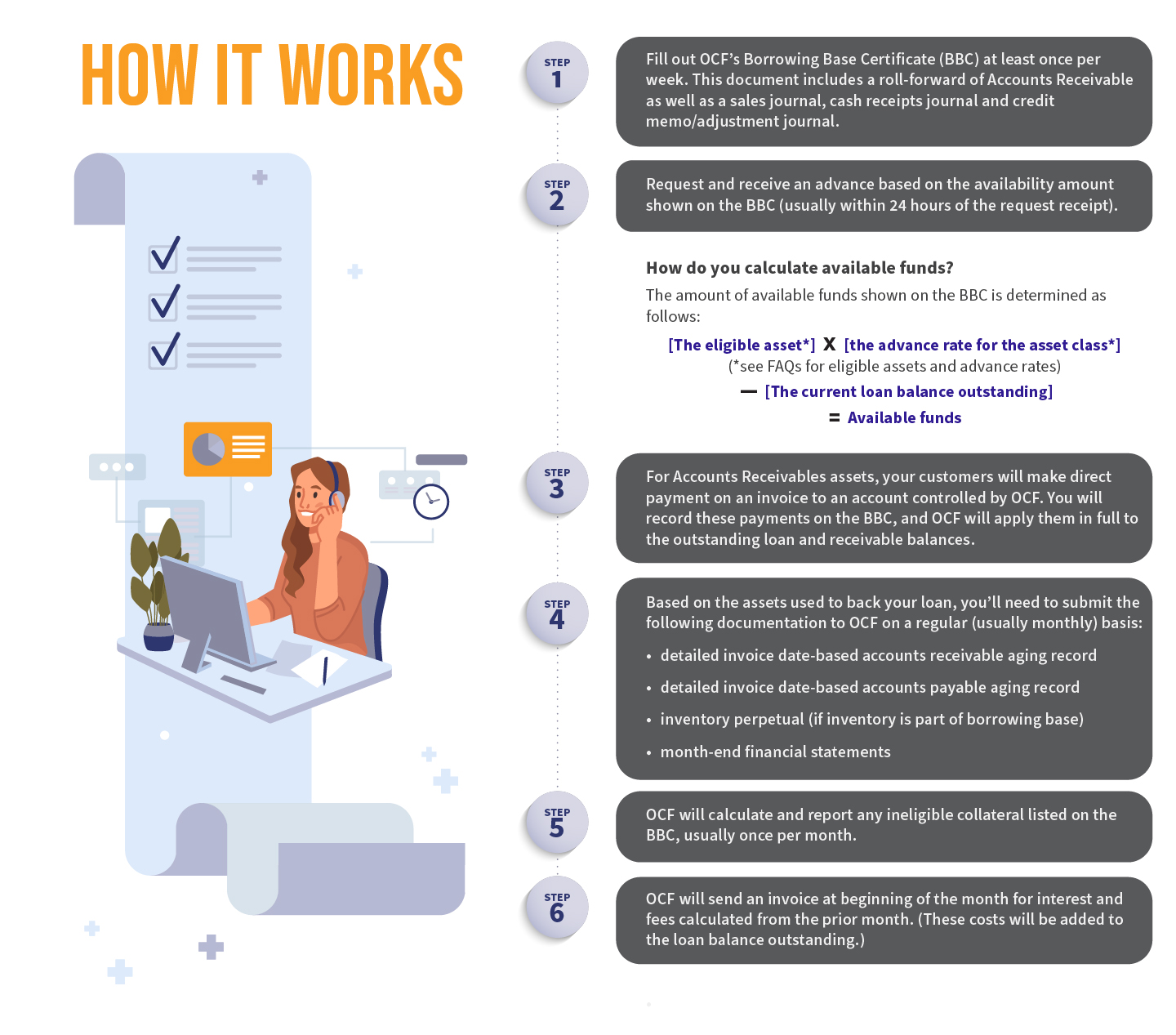
An asset-based loan uses your assets as collateral for borrowing money. This means lenders look at what you own to decide how much to lend. Common assets used include inventory, equipment, accounts receivable, and real estate. These assets act as security for the loan.
Loan-to-value (LTV) ratio shows how much you can borrow compared to your asset’s value. For example, an 80% LTV means you can borrow 80% of the asset’s worth. Different assets have different LTV limits. Cash and stocks usually allow higher LTVs. Equipment and real estate often have lower LTVs because they are harder to sell quickly.
| Collateral Type | Typical Loan-to-Value Ratio |
|---|---|
| Cash and Marketable Securities | 90% – 95% |
| Accounts Receivable | 70% – 85% |
| Inventory | 50% – 70% |
| Equipment | 40% – 60% |
| Real Estate | 50% – 75% |
Current Asset-based Lending Rates
Asset-based lending rates depend on many factors. Market trends show rates often follow the general economy. When inflation rises, rates tend to increase. Lower inflation often means lower rates.
Rate structures usually include a base rate plus a spread. The base rate might be linked to benchmarks like SOFR. The spread depends on the risk level and loan size. Larger loans often get smaller spreads.
| Lender | Base Rate | Spread Range | Typical APR |
|---|---|---|---|
| Schwab Bank | SOFR | +1.5% to +3% | 3.5% – 5% |
| Fidelity | SOFR | +1.25% to +2.75% | 3.25% – 4.75% |
| ETRADE | SOFR | +1.75% to +3.25% | 3.75% – 5.25% |
Comparing rates across lenders helps find the best deal. Look for lenders that offer lower spreads and flexible terms. Check if collateral types affect your rate. Highly liquid assets usually get better rates than hard-to-sell items.
Factors Affecting Lending Rates
Collateral liquidity greatly influences lending rates. Highly liquid assets like cash, stocks, and bonds usually get the best rates. Illiquid assets such as equipment, real estate, or complex inventory carry more risk and higher rates. Lenders want to quickly sell collateral if needed, so liquidity matters.
Loan size also affects rates. Bigger loans or having more assets managed by the lender often lead to lower interest rates. This is because larger loans spread costs better and reduce lender risk.
Economic indicators like inflation, unemployment, and GDP growth impact lending costs. When the economy is strong, rates tend to be lower. Industry trends can shift rates too, depending on how risky lenders see a business sector.
Benefits Of Asset-based Lending
Asset-based lending offers lower costs for small businesses by using assets as collateral. This can reduce interest rates compared to unsecured loans.
Flexible financing options allow businesses to choose loan amounts based on the value of their assets. This helps manage cash flow without strict income requirements.
Accessing cash without selling assets keeps business operations running smoothly. Borrowers can use equipment, inventory, or accounts receivable to secure funds while retaining ownership.
Risks And Considerations
Collateral value can change quickly. This affects the loan amount and terms. Borrowers must watch these changes closely. Lenders may demand extra collateral or loan repayment if values drop.
Maintenance calls happen when collateral value falls below a set limit. Borrowers need to add assets or pay down loans fast. Missing these calls can lead to higher fees or loan default.
Illiquid assets like equipment or real estate are harder to sell. These assets often come with higher interest rates. Lenders charge more risk premium for these loans. Borrowers should expect stricter terms and costs.
Choosing The Right Lender
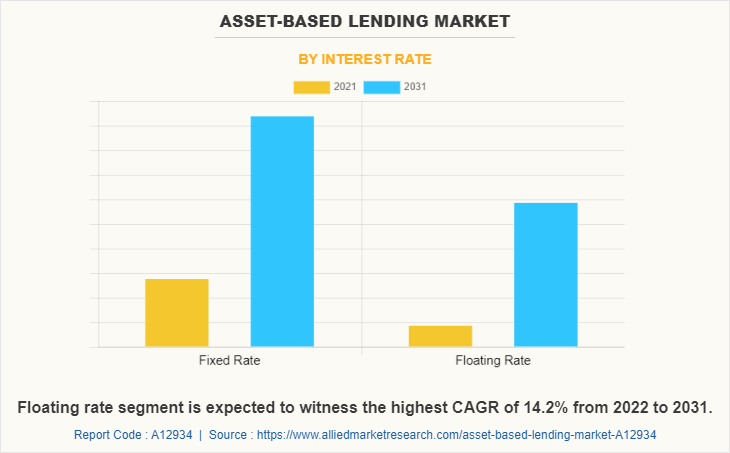
Choosing the right lender depends on several key factors. Banks usually offer lower interest rates but have stricter rules and longer approval times. Non-bank lenders are often faster and more flexible but may charge higher rates. Compare the loan terms carefully, including fees, repayment schedule, and loan amount limits.
The reputation of the lender matters. Check reviews and ask for references. Good customer support helps during the loan process and if problems arise. Clear communication and quick responses can save time and stress.
| Factor | Bank Lenders | Non-Bank Lenders |
|---|---|---|
| Interest Rates | Lower | Higher |
| Approval Speed | Slower | Faster |
| Flexibility | Less flexible | More flexible |
| Customer Support | Varies | Often personalized |
Strategies To Secure Competitive Rates
High-quality collateral like cash and marketable securities often get the lowest lending rates. Assets that are easy to sell reduce risk for lenders. This makes lenders offer better terms.
Increasing the loan size or the total asset pool can lead to better rates. Bigger loans often mean more trust and lower interest spreads. A larger asset pool also shows financial strength.
Timing loans during favorable market conditions helps secure competitive rates. Interest rates can change with economic trends. Borrowing when rates are low reduces overall costs.
Specialized Asset-based Lending Programs
Securities-backed lines of credit use your stocks or bonds as collateral. These loans usually offer lower interest rates because the assets are liquid. Be aware that if the market value of your securities drops, you may need to add more collateral or pay down the loan quickly.
Inventory and equipment loans let businesses borrow against their stock or machinery. These loans often have higher interest rates than securities-backed loans due to less liquidity and higher risk. Lenders carefully assess the condition and value of the inventory or equipment before approving the loan.
Using real estate as collateral can be tricky. Property values can fluctuate, and legal or zoning issues may affect the loan. Lenders often require detailed appraisals and may charge higher rates to cover potential risks.
Frequently Asked Questions
What Are Sbloc Rates Right Now?
Sbloc rates currently range from SOFR plus 1. 5% to 3%, depending on collateral type and loan size. Rates vary by lender and market conditions.
What Is The $100000 Loophole For Family Loans?
The $100,000 loophole allows family loans up to $100,000 without IRS gift tax if proper interest rates and terms apply.
What Is The Rate Of Asset-based Lending?
Asset-based lending rates typically range from 7% to 15%, depending on collateral type, loan size, and market conditions.
Is It Legal To Charge 30% Interest?
Charging 30% interest may be illegal depending on state usury laws. Most states cap rates below 30%. Check local laws.
Conclusion
Asset-based lending rates depend on your collateral type and loan size. Loans backed by cash or stocks usually offer lower rates. Larger loan amounts often lead to better terms. Market changes can affect your collateral’s value and loan conditions. Understanding these rates helps you choose the right financing option.
Consider all factors before applying for an asset-based loan. This knowledge supports smarter financial decisions for your business needs.
Read More
- Online Home Lending Quotes: Unlock the Best Rates Today
- Credit Based Lending Offers: Unlock Smart Financing Solutions Today
- Same Day Lender Matching: Fast, Reliable Loan Connections Today
- Mortgage Lender Approval Checklist: Essential Steps for Success
- Specialist Home Lender Options: Unlock Exclusive Mortgage Benefits
- Private Lending Eligibility Check: Unlock Your Loan Potential Today
- Soft Inquiry Lender Precheck: Boost Approval with Smart Checks
- Business Credit Lender Matching: Find Your Perfect Funding Partner Fast
- Alternative Credit Lender Programs: Unlock Smart Financing Solutions
- Franchise Loan Lender Options: Top Choices for Fast Funding